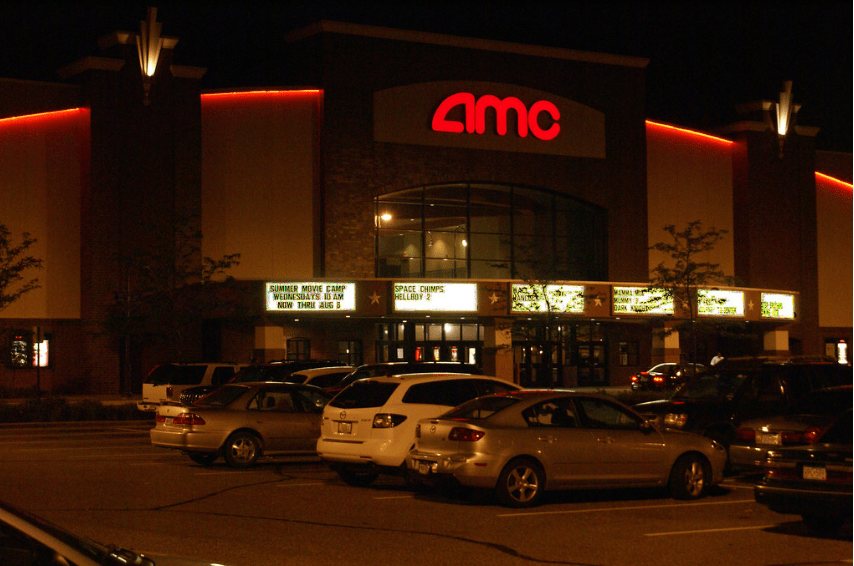
Swinging open that heavy steel door that spilled out onto the back parking lot and stepping onto the icy sidewalk, a small internal gasp always fought its way out. It was winter in Minnesota, and the near zero temperatures were enough to give any passerby a rousing slap—but it wasn’t just that. Exiting the movie theater, the four o’clock setting sun had been replaced by the artificial glow of the street lights; the earlier scurry of cars racing through the slush was long gone—now, in the streets, only a rogue headlight flashed by.
The inky sky attempted to muffle it all, but the harsh reality was undeniable. Dazzled by the enthralling problems of someone else’s life, I had relinquished three magical hours inside the theater. The shock of the wind slapping at my cheeks may have tugged my mind back to this world, but my body had always remained anchored to this earth, wasting away by the ever circling Time.
————————
Movies first rose to popularity during World War I. The magical moving pictures were no longer just a fanatic magician’s act but a necessary escape from the brutal realities of life. There was no way for the average person to halt the constant onslaught of tragedies, but one could forget about it—if only for two hours. The brief stay was soon in high demand.
Learning about the rise of modern cinema in my tenth grade United States history class, I struggled to comprehend its link to escapism. In my mind, movies just weren’t that sophisticated. You paid eight dollars for a few laughs or a thrilling emotional roller coaster. That was all. Sure, movies took me away to another place, but I wasn’t in search of an escape from this world. It wasn’t until the later months of the COVID pandemic that I truly understood what it meant to seek escape in a fantasy world far far away.
By the time I had settled into my first semester at Duke at the end of 2020, COVID, too, had settled into its own place. I didn’t want to get sick, so I wore my mask, I social distanced. I let its ever presence take a back seat in my mind. It wasn’t like the stories on the news. I wasn’t suffering from an untreated mental breakdown, I didn’t struggle with online school, my parents hadn’t lost their jobs. I wasn’t even bored. Time took up its space, and I let it. It wasn’t until the summer of 2021 that I realized that I hadn’t mastered the system, somehow managing to escape the death-like grip of the pandemic. I’d just been so determined everything wasn’t that bad that I’d forgotten to live.
Books, movies, music, which had for so long provided an incomparable joy, became a tool to escape what I was feeling. I hadn’t realized I was stuck in a fantasy world until I made my way out of it. I had absorbed the frustration, the isolation, the sheer unpredictability of every coming day. My senior spring, my freshman college fall: I’d been duped, gypped at the altar, promises left unfulfilled. The diagnosis wasn’t acute—it was insidious, creeping up on me, the shadow of the night slowly weaning me off the wonders of life until this decrepit version of college life satisfied me. I had left this world for another, smothering my worries and disappointment in a series of illogical dreamlands.
Returning home this summer to a world that was a lot more normal, at least temporarily, I felt that same feeling as exiting those movie theater doors into my arctic tundra home. The icy air burned, sharp, and then it cooled, calmed. I inhaled again, adjusted. I remembered that I was born and bred in the frigid land of 10,000 lakes and that there was nothing more comforting to me than a chill that could penetrate my bones, reminding me that despite all my feathered layers, I wasn’t immune to the world.
 words by ava
Leave a comment